Come prevenire la condensa in un ufficio container modulare
Isolamento del tetto, pannelli a parete, controllo dell'umidità, ventilazione e dettagli di drenaggio
La condensa è una delle preoccupazioni più comuni degli acquirenti esteri prima di ordinare un ufficio modulare in container. La preoccupazione è comprensibile: l'acciaio trasferisce rapidamente il calore e, quando l'aria calda e umida incontra una superficie fredda, possono formarsi goccioline d'acqua su soffitti, pareti, finestre o giunture nascoste.
Ma la condensa non è semplicemente un "problema del container". Solitamente è un problema dell'involucro edilizio. Un ufficio modulare realizzato con container necessita di un isolamento adeguato, di un controllo dell'umidità, di una ventilazione e di un sistema di drenaggio progettati correttamente. Quando questi dettagli vengono gestiti in modo appropriato, l'ufficio può essere utilizzato come uno spazio di lavoro pulito e confortevole, anziché come una scatola temporanea umida.
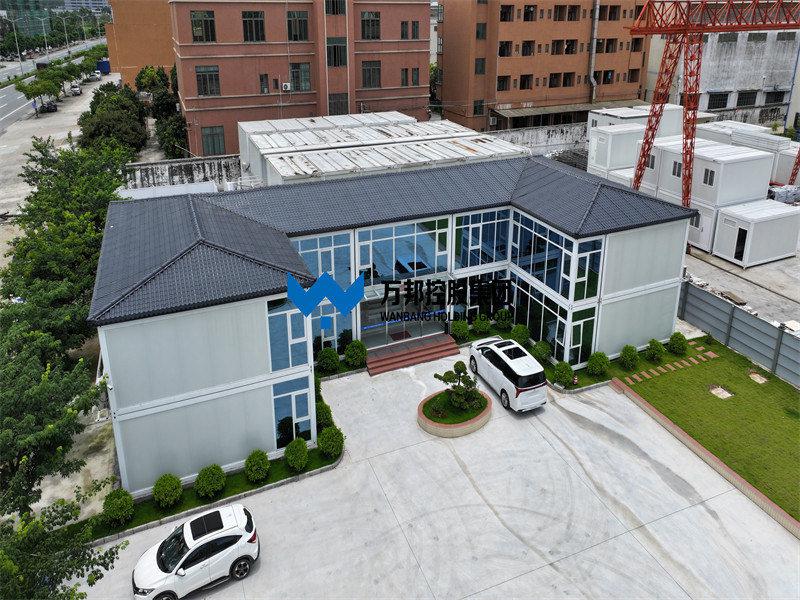
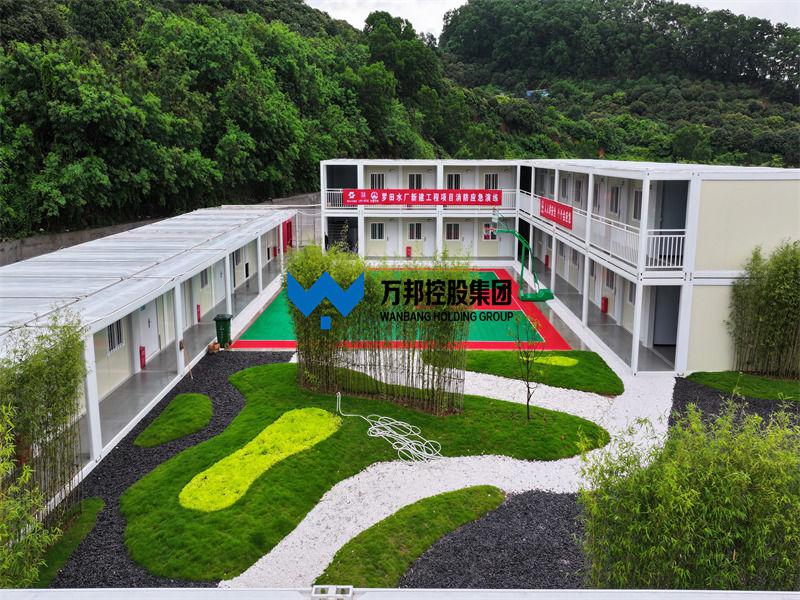
Il sistema di uffici modulari container di Guangdong Wanbang utilizza isolamento del tetto, pannelli sandwich per le pareti, dettagli di drenaggio e finiture interne per ridurre il rischio di umidità nell'uso quotidiano degli uffici.
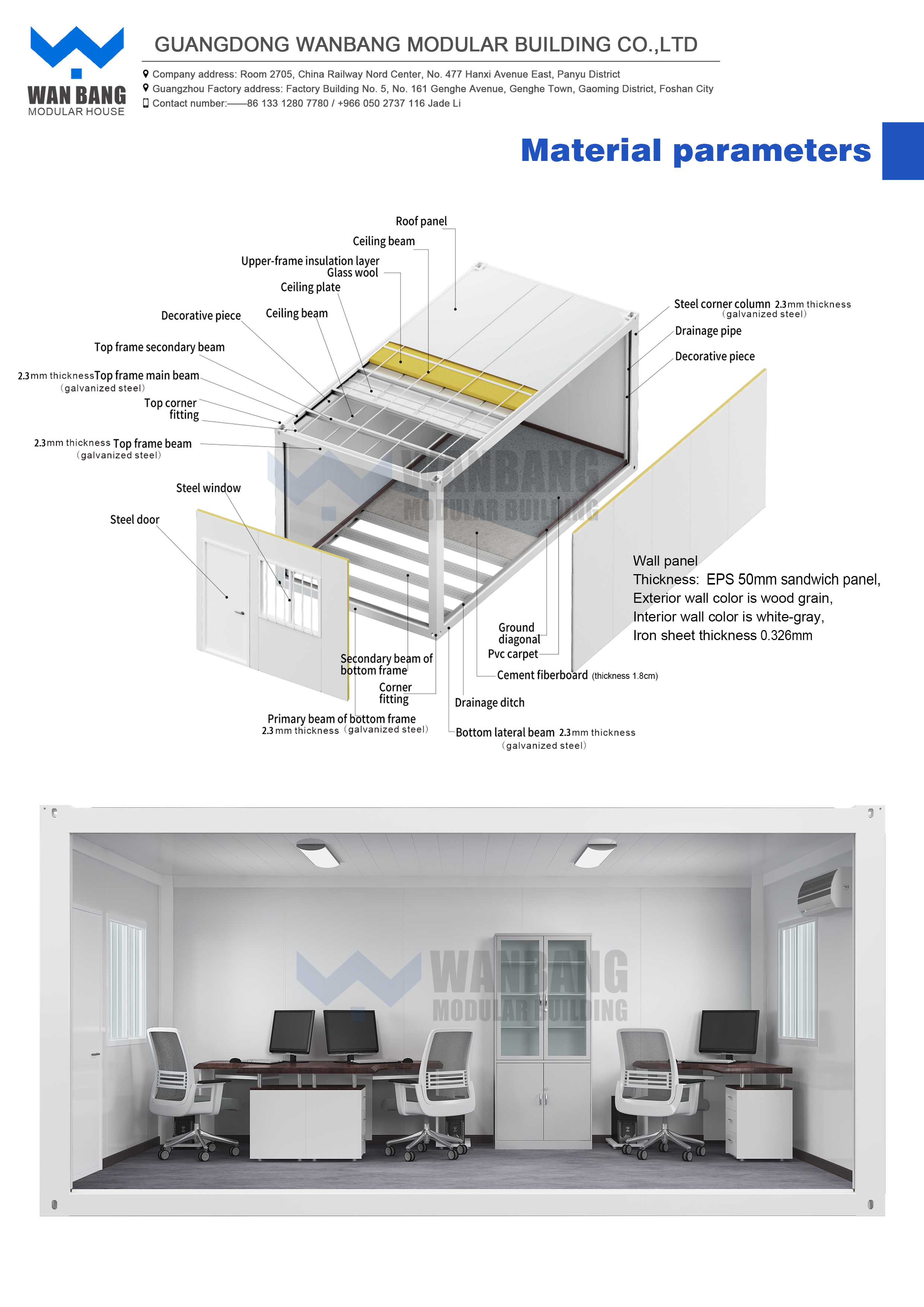
Parametri dei materiali per uffici modulari in container, con indicazione dell'isolamento del tetto, della lana di vetro, del tubo di drenaggio e del pannello a parete.
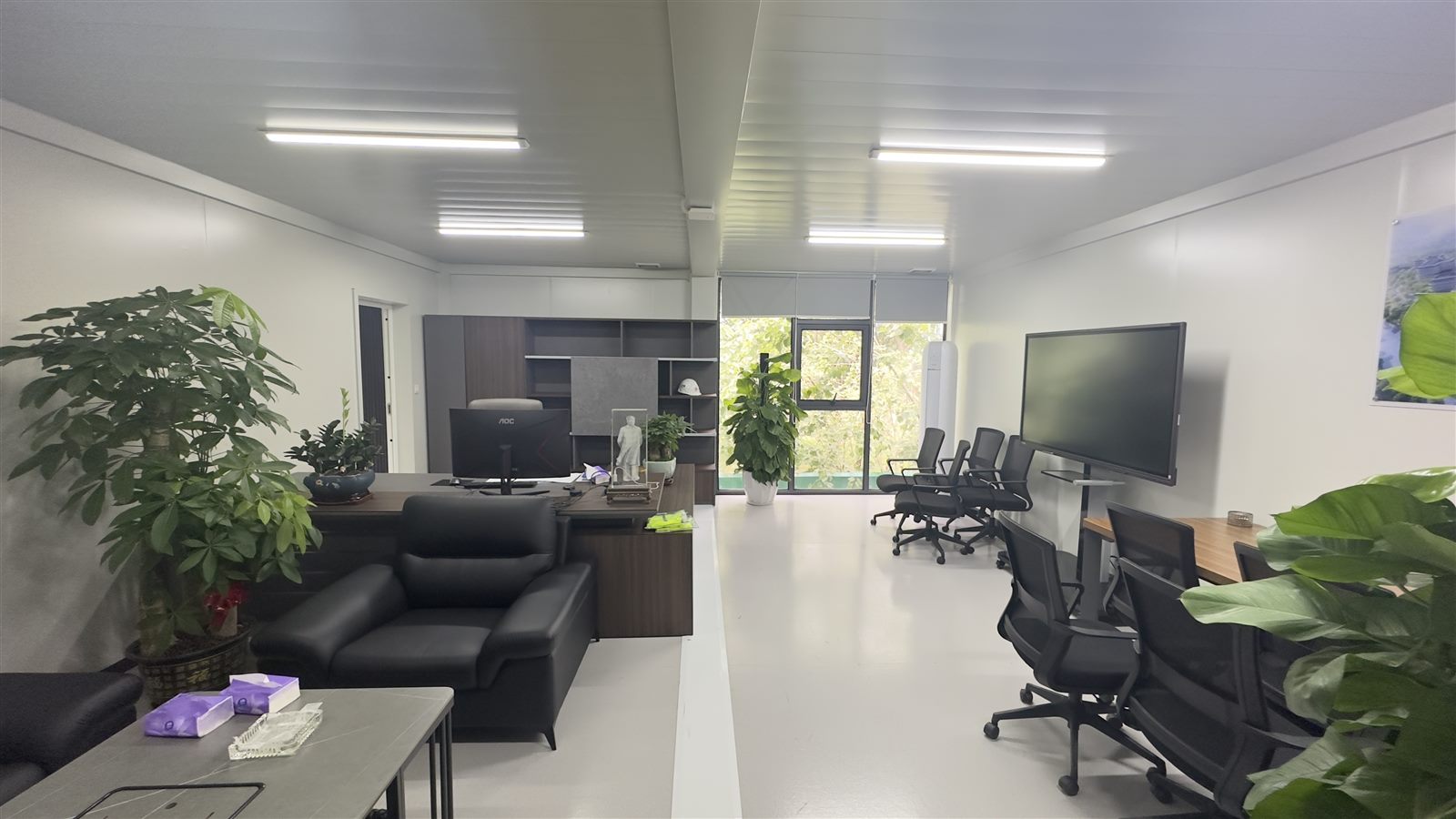
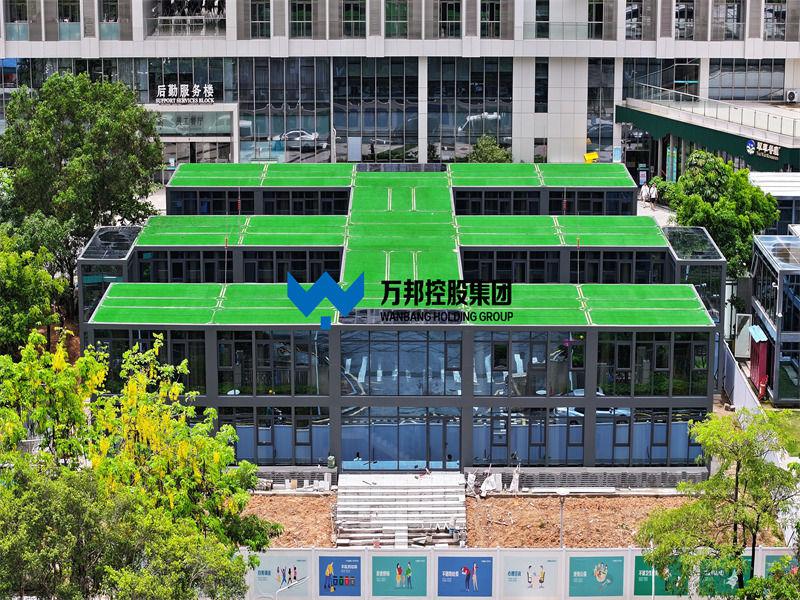
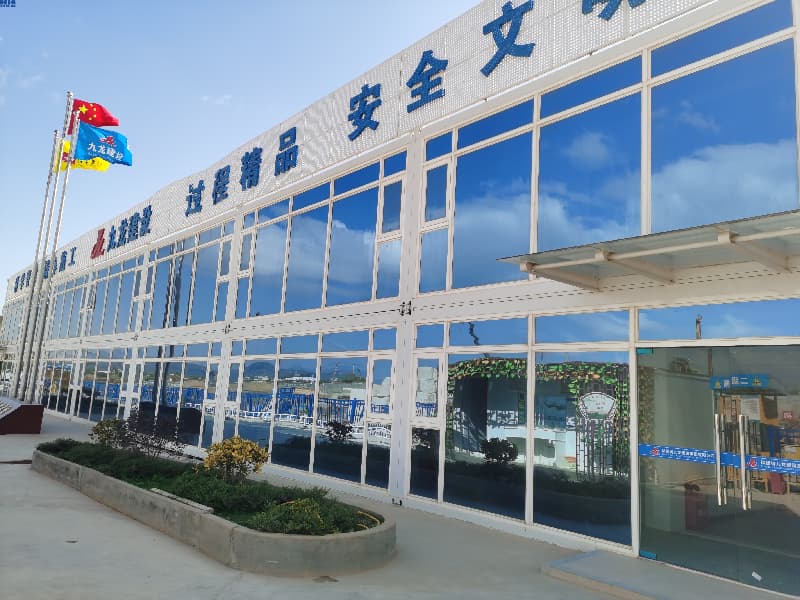
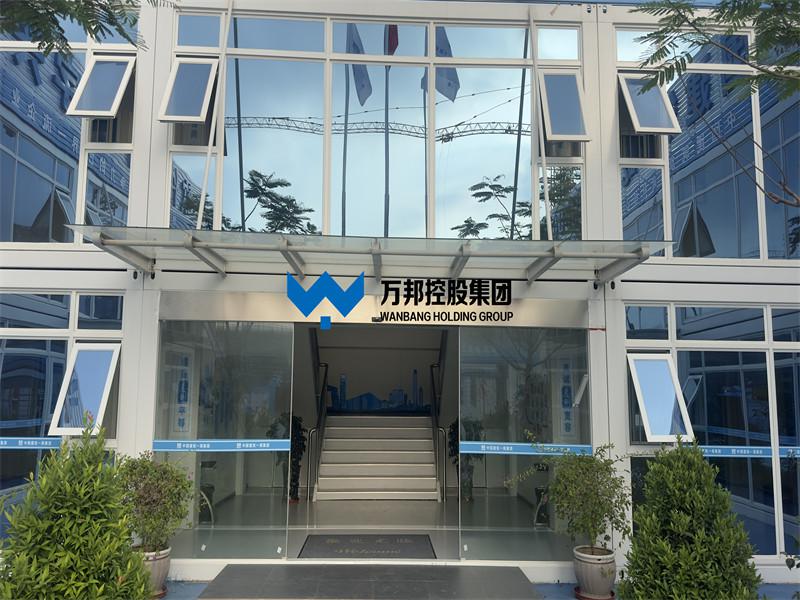
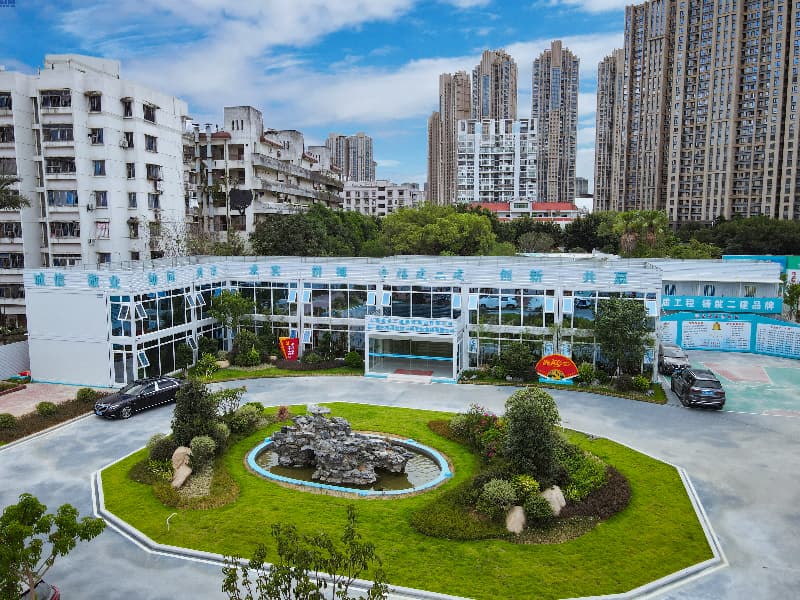
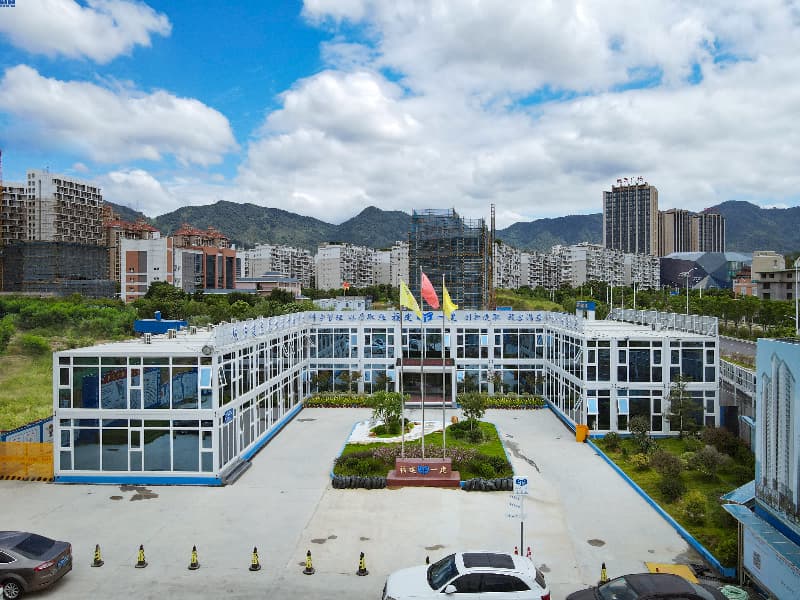
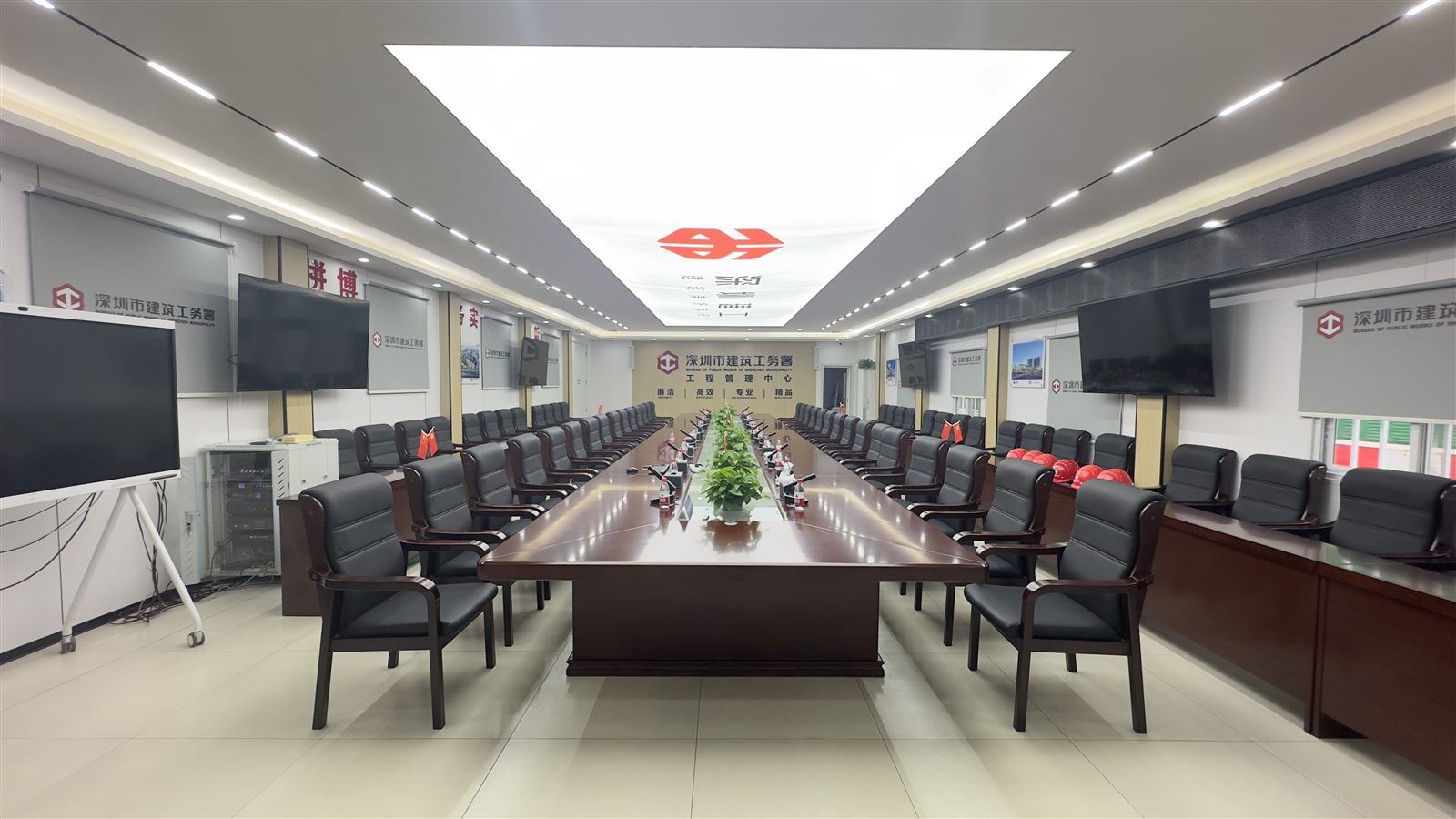
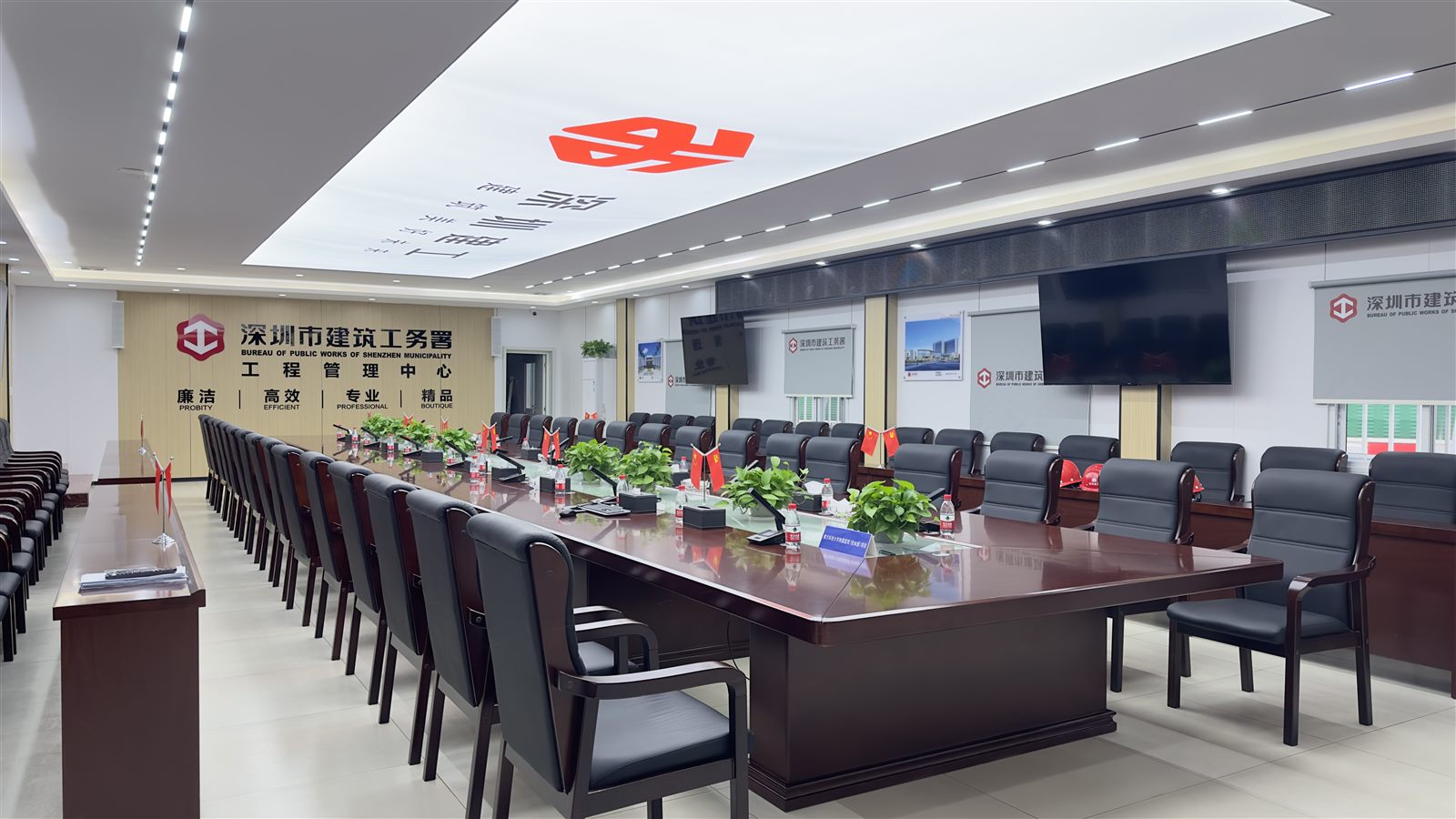
Ufficio/sala direzionale modulare, realizzato con container, completo di finestre e arredi per ufficio.
La condensa si verifica generalmente quando si verificano tre condizioni:
Questo può accadere nei climi freddi durante l'inverno, nelle zone costiere umide, durante la stagione delle piogge, nelle zone montuose o negli uffici con scarsa circolazione dell'aria. Può verificarsi anche quando le differenze di temperatura tra interno ed esterno sono elevate.
Il tetto è una delle aree più importanti per il controllo della condensa. Nelle specifiche dei materiali di Wanbang, l'isolamento del tetto può essere realizzato con lana di vetro da 50 mm con pellicola impermeabile, la cui densità è indicata nel programma dei materiali di progetto.
In termini pratici, il tetto non dovrebbe essere considerato semplicemente una lamiera d'acciaio. Lo strato isolante contribuisce a ridurre la differenza di temperatura tra l'aria interna e la superficie del tetto. La pellicola impermeabile aiuta a ridurre la possibilità che il vapore acqueo penetri nello strato isolante e causi problemi di umidità nascosta.
Per gli acquirenti che operano in mercati freddi o umidi, si prega di chiedere conferma al fornitore:
La condensa può formarsi anche sulle pareti se il pannello ha un isolamento inadeguato o una giuntura debole. Wanbang offre diverse opzioni di materiali, tra cui sistemi di pannelli isolanti come lana di roccia, EPS o pannelli sandwich in PU, a seconda delle esigenze del progetto.
La lana di roccia è utile per gli edifici adibiti a uffici perché non è combustibile e offre sia isolamento termico che acustico. I pannelli in poliuretano (PU) possono essere scelti quando è richiesto un isolamento termico più elevato. I pannelli in EPS sono spesso utilizzati per progetti standard a basso costo.
Per un progetto di ufficio modulare, l'acquirente non dovrebbe limitarsi a chiedere "Qual è il prezzo del pannello a parete?". Una domanda migliore sarebbe: "Quale sistema di pareti e tetto ridurrà la condensa nel mio clima locale?".
Anche con l'isolamento, la condensa può comunque formarsi se l'umidità interna è troppo elevata. Uffici con molte persone, finestre chiuse, indumenti bagnati, scarsa ventilazione o mancanza di ricambio d'aria possono favorire l'accumulo di umidità.
Un buon ufficio modulare in container dovrebbe tenere conto di:
Per gli uffici, un piano di ventilazione di base è spesso sufficiente. Per dormitori, cucine, bagni o lavanderie, la ventilazione diventa più importante.
La condensa non è l'unico problema legato all'acqua che preoccupa gli acquirenti. Anche l'acqua piovana e il drenaggio del tetto sono importanti, perché spesso gli utenti confondono le perdite con la condensa.
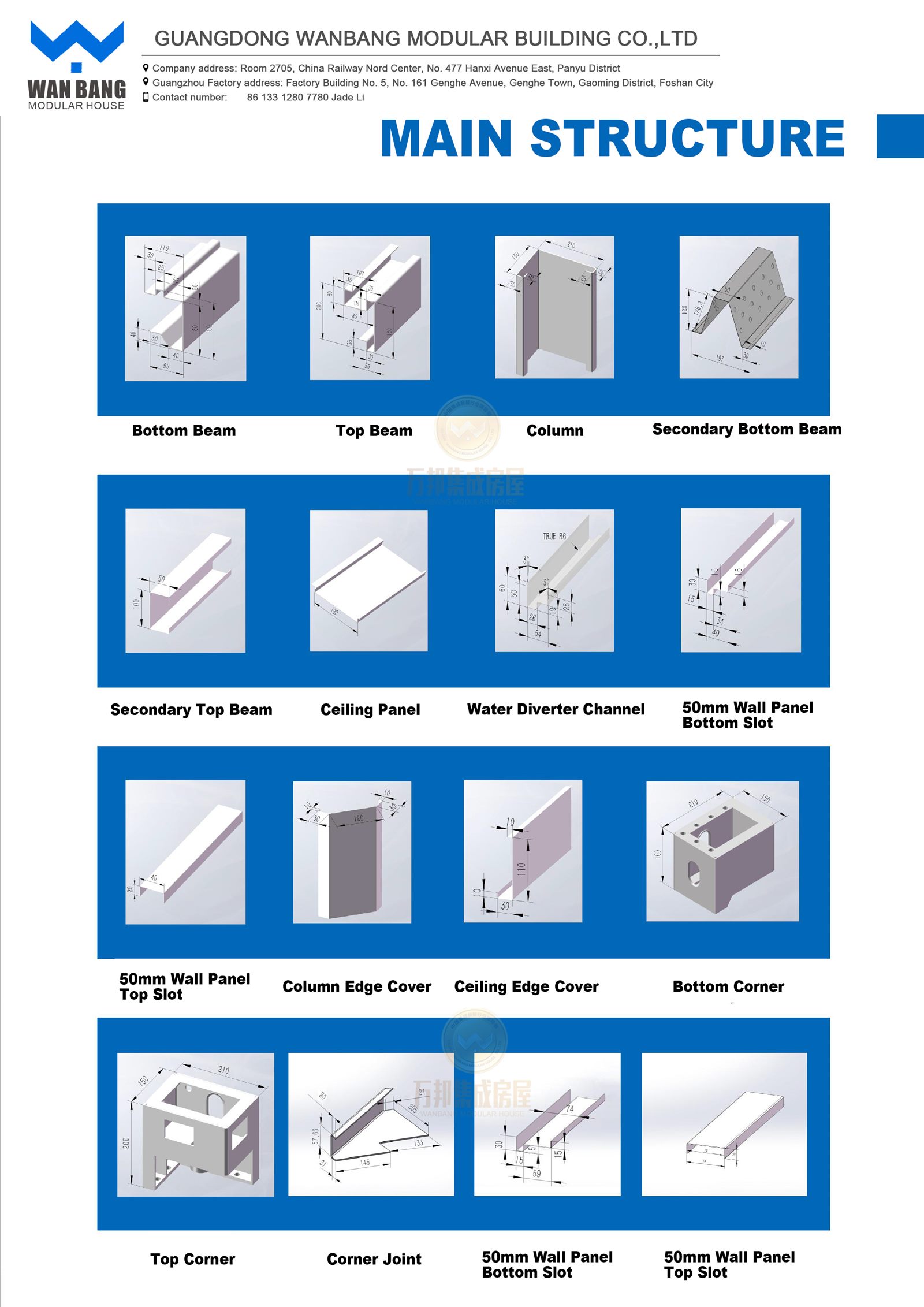
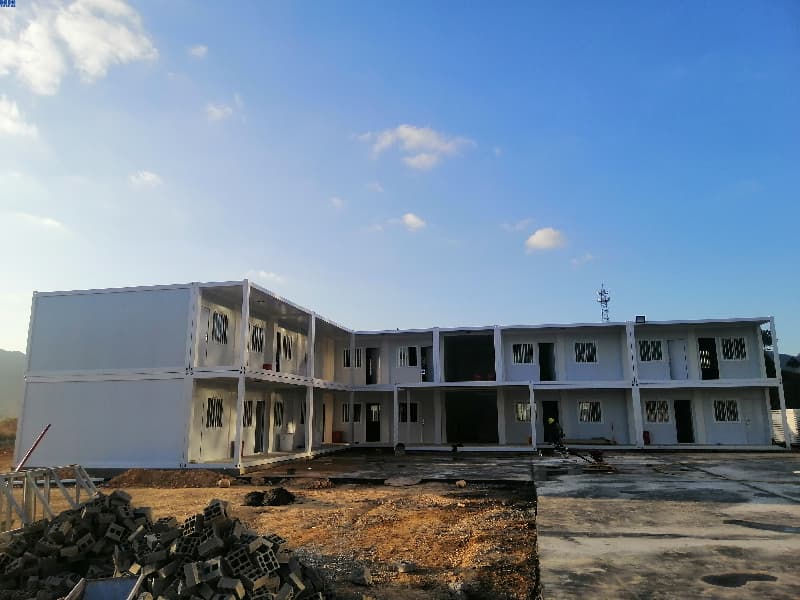
Struttura principale dell'ufficio container con canale di deviazione dell'acqua e fessure per i pannelli a parete.
L'immagine della struttura principale di Wanbang mostra dettagli tecnici come il canale di deviazione dell'acqua, il pannello del soffitto e le fessure da 50 mm del pannello a parete. Questi dettagli sono importanti perché l'acqua deve essere convogliata lontano dall'edificio anziché ristagnare intorno alle giunture.
Per i progetti all'estero, gli acquirenti devono verificare la pendenza del tetto, la posizione del tubo di drenaggio, le giunzioni delle pareti, la tenuta delle finestre e i dettagli di collegamento dei moduli prima della spedizione.
Per prevenire la formazione di condensa in un ufficio modulare containerizzato, gli acquirenti dovrebbero concentrarsi sull'intero sistema di involucro edilizio: isolamento del tetto, pannelli sandwich delle pareti, controllo dell'umidità, ventilazione e drenaggio.
Guangdong Wanbang può aiutare gli acquirenti a pianificare edifici per uffici modulari con opzioni di isolamento e finitura adatte a diversi climi. Se l'efficienza della spedizione e la velocità di installazione del progetto sono importanti, gli acquirenti possono anche confrontare soluzioni di case container prefabbricate Per uso ufficio e in campeggio.
State progettando un ufficio modulare o una struttura da campo e volete evitare problemi di umidità? Contattaci In base al clima locale e ai dettagli del progetto, il nostro team vi aiuterà a selezionare la configurazione di isolamento e drenaggio più adatta al vostro sito.


 IPv6 RETE SUPPORTATA
Hi! Click one of our members below to chat on
 Italiano
 English
 Français
 Deutsch
 Русский
 Español
 Português
 Türk
Türk Ελληνικά
 Indonesia
 عربي
عربي